El Calafate: Gateway to Patagonia’s Glaciers
by Blinktrip | Updated: 15 October 2025
El Calafate is a small Patagonian city in Argentina’s Santa Cruz province — not famous for itself, but for what lies beyond: the Los Glaciares National Park, a UNESCO World Heritage Site and home to the third-largest continental ice field in the world.
This region offers one of Earth’s most breathtaking spectacles — vast, moving walls of ice that can be seen, heard, and even walked upon. From families and adventurers to those simply seeking to marvel at nature’s grandeur, El Calafate offers a once-in-a-lifetime experience.
---
Why Choose El Calafate
The Glaciers of Patagonia
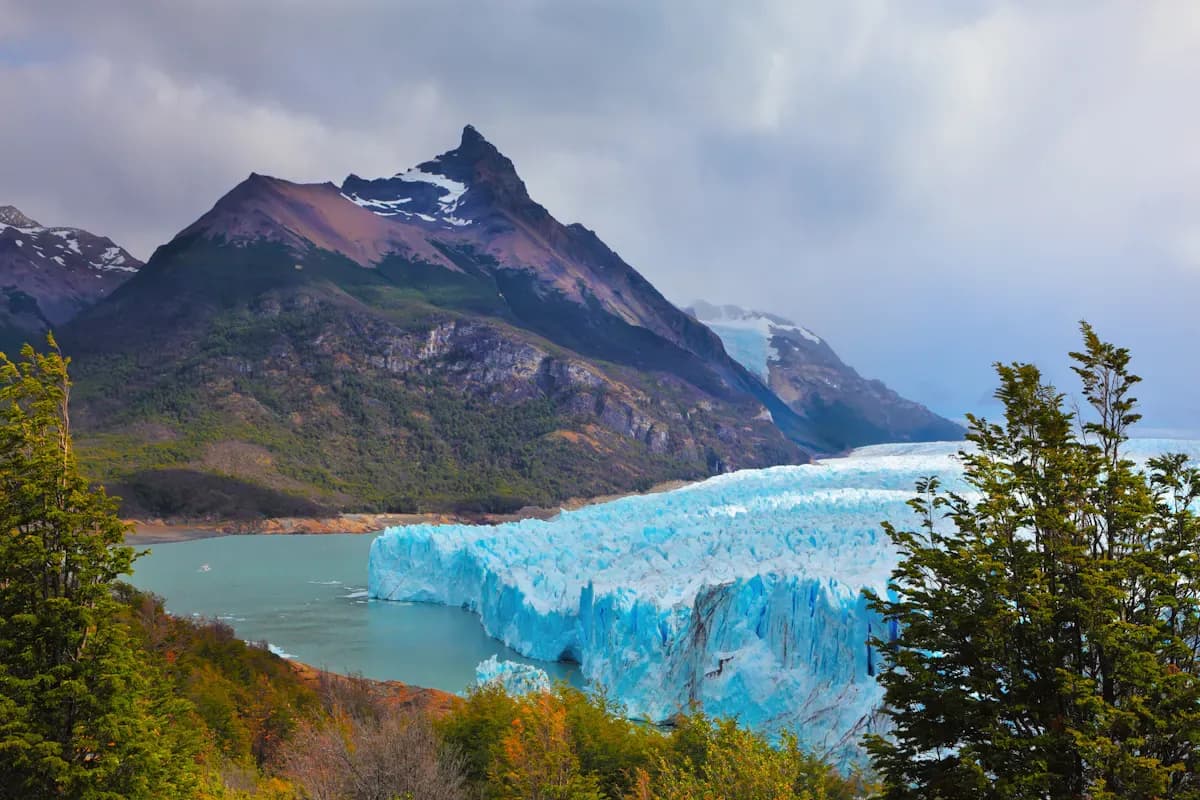
The Perito Moreno Glacier is the most famous of them all, celebrated for its immense size, accessibility, and stunning beauty. Few places in the world allow you to stand so close to a glacier’s towering face — or to walk across its icy surface.
Beyond Perito Moreno, Los Glaciares National Park is home to dozens of others, including the Upsala Glacier, the largest in the region at 50 km long and 10 km wide, and the Spegazzini Glacier, whose dramatic 135-metre-high face can be reached by boat. Each offers a truly unforgettable encounter with Patagonia’s frozen frontier.
---
Local Culture and Traditions
El Calafate reflects the heart of Patagonian culture, where traditions, folklore, and gastronomy come together. Visitors can taste local delicacies such as Patagonian lamb or attend regional festivals celebrating the spirit and resilience of the southern communities.
The town itself offers charming cafés, handicraft shops, and a relaxed atmosphere that complements its wild surroundings.
---
Patagonian Wildlife
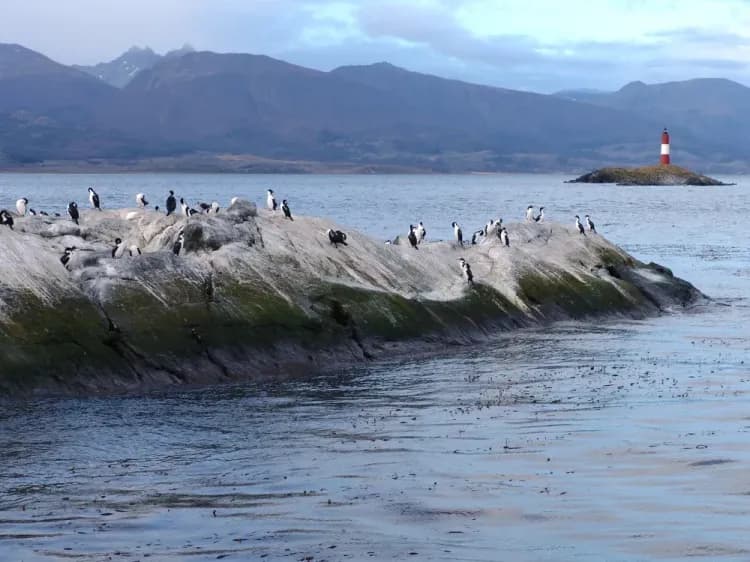
The region surrounding El Calafate teems with wildlife, offering visitors the chance to observe guanacos, foxes, condors, and countless bird species in their natural habitat. Birdwatchers and photographers will find endless inspiration amid the sweeping steppe and mountain backdrops.
---
Practical Information
Safety
El Calafate is considered a safe and welcoming destination. Locals are kind and helpful, always ready to assist travellers. As with any trip, use standard precautions — avoid leaving valuables unattended or inside parked cars.
Money and Payment
The official currency is the Argentine peso (ARS). ATMs and banks are easy to find, and most establishments accept credit and debit cards. However, it’s wise to carry some cash, especially for remote areas or smaller venues. If you bring US dollars, exchange them at official currency houses. Travellers passing through Buenos Aires first will find better exchange rates there than in El Calafate.
Transport
El Calafate is compact and pleasant to explore on foot. To visit the Perito Moreno Glacier and nearby attractions, you can take public buses, taxis, rent a car, or join organised excursions that include hotel transfers.
Keep in mind that the glacier lies 65 km from town, and boat tours to other glaciers also depart from the same area.
Climate
El Calafate’s climate is generally cold and dry, with warmer temperatures in summer (December–February) and cold, crisp winters from June to August. Layered clothing is essential, as weather conditions can shift quickly. Even in summer, chilly days — and occasional frost — are common due to the southern latitude.
Best Time to Visit
The high season runs from October to April, when the weather is milder and the park is at its most accessible. This is the perfect time to experience the full beauty of Los Glaciares National Park.
Travelling during shoulder months (March and November) offers fewer crowds, pleasant temperatures, and better prices — ideal for those seeking a more peaceful escape.
---
Where Ice Meets Wonder
El Calafate captures the spirit of Patagonia — vast, raw, and unforgettable. Between the thunder of breaking ice and the silence of endless skies, this is a place where nature reigns supreme.
Plan your tailor-made adventure to El Calafate with Blinktrip, and discover the awe-inspiring world of Argentina’s glaciers.