
Jujuy: Colours, Culture, and the Spirit of the Andes
by Blinktrip | Updated: 15 October 2025
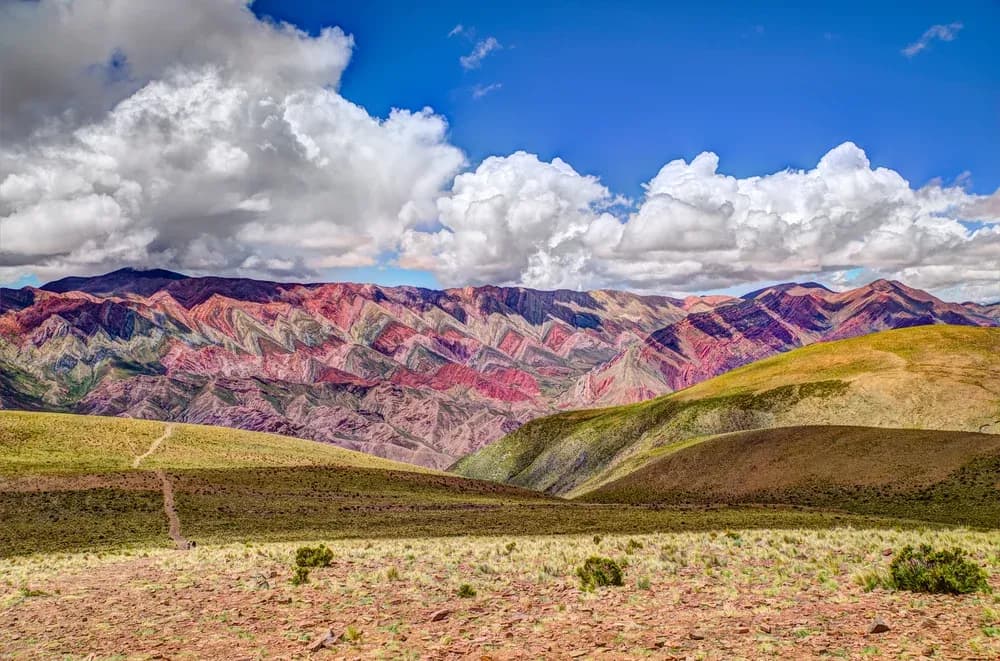
In Argentina’s far north, Jujuy reveals itself as a land of striking contrasts — a province where vivid landscapes, ancestral traditions, and warm hospitality come together to create an unforgettable travel experience.
Choosing Jujuy means immersing yourself in a region where the Quebrada de Humahuaca, a UNESCO World Heritage Site, blends majestic natural beauty with the authenticity of Andean villages and the deep-rooted heritage of its people.
From salt flats that shimmer in the sun to mountain slopes painted in seven colours, Jujuy offers an ever-changing canvas of wonder and discovery.
---
Why Choose Jujuy
Culture and Traditions
Jujuy’s cultural richness shines through its festivals, music, dance, and craftsmanship, living expressions of its Indigenous heritage. Visiting during traditional celebrations like the Pachamama festival or Carnival allows travellers to experience the profound connection between the community, its ancestors, and the land.
Every celebration tells a story — one of respect for nature, spirituality, and joyful resilience.
---
Natural Diversity
Few regions in Argentina rival Jujuy’s diversity of landscapes. From the vast Salinas Grandes salt flats to the colourful hills of Quebrada de Humahuaca, this province offers a natural spectacle at every turn.
Adventurers will find opportunities for trekking, photography, and cultural exploration, while those seeking serenity can enjoy breathtaking vistas in complete tranquillity.
---
Regional Gastronomy
Jujuy’s cuisine reflects its mixed heritage, combining Indigenous ingredients with Spanish influences. Local staples such as quinoa, llama meat, corn, and Andean herbs form the base of many dishes, offering visitors the chance to taste authentic northern Argentine flavours.
Each meal here tells its own story — hearty, traditional, and deeply connected to the land.
---
Practical Information
Safety
Jujuy is generally safe and welcoming for travellers. Standard precautions apply: avoid displaying valuables, stay aware in crowded places, and follow local advice. In remote or high-altitude areas, it’s best to travel with a guide or in a small group familiar with the terrain.
Money and Payment
The local currency is the Argentine peso (ARS). Credit and debit cards are widely accepted in larger towns, but in smaller villages or rural areas, cash is essential. Bring pesos with you and note the location of ATMs, as they may be limited outside urban centres.
Transport
Jujuy offers a variety of transport options. Long-distance buses connect towns and tourist spots, while taxis and remises (private cars with drivers) are convenient for shorter trips. Renting a car gives you the freedom to explore at your own pace. For a unique experience, consider the tourist train, which winds through breathtaking Andean scenery.
Climate
Jujuy’s climate varies dramatically by altitude. In the Puna highlands, temperatures can drop sharply at night, while the valleys and lower regions enjoy a milder climate. Always check the forecast and pack accordingly: sun protection, hats, and sunglasses are essential, especially in summer months when UV exposure is intense.
Best Time to Visit
The best time to visit depends on your interests.
- For cultural festivals, plan your trip during Carnival (February–March), when the region bursts into colour and music.
- For hiking and nature, April to October offers cooler, pleasant weather and clear skies.
- To avoid the rainy season, it’s best to skip December to March, when summer storms are common.
---
Discover the Spirit of the North
Jujuy is a destination that stays with you long after you’ve left — a place where the Andes whisper stories of ancient civilisations, and every landscape feels like a painting come to life.
Plan your tailor-made journey to Jujuy with Blinktrip, and experience the colours, culture, and serenity of Argentina’s highlands.